By
By
For a child with a rare disease, a doctor’s continuing education can end a years-long diagnostic...
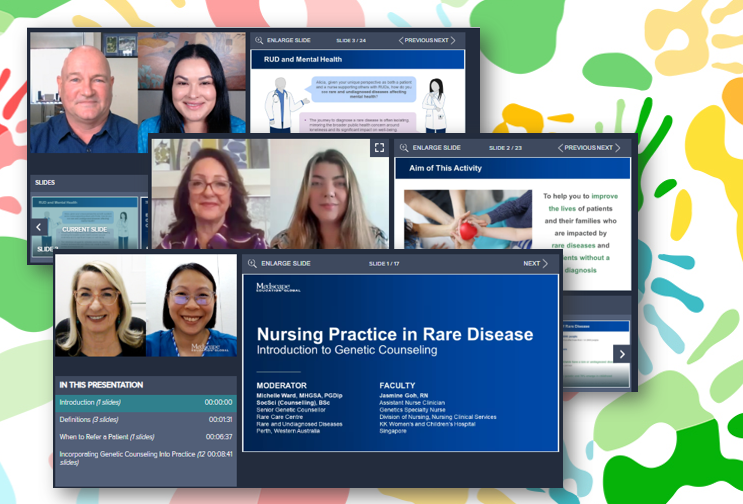
For the millions of people living with a rare disease, the path to a diagnosis (if ever received) is often a long and frustrating odyssey. This delay is frequently driven by a simple but systemic hurdle: many healthcare professionals (HCPs) rarely encounter specific rare conditions in daily practice, and symptoms are often variable and non-specific, leading to missed signs and misdiagnoses. However, new research by Medscape presented at the World Orphan Drug Congress Europe 2025 suggests a powerful solution lies in precision targeted medical education.
The Power of Targeted Learning
A series of analyses conducted by Medscape Education Global evaluated how online Continuing Medical Education (CME) influences real-world clinical behavior. By tracking insurance claims and National Provider Identifier (NPI) data, researchers compared clinicians who participated in rare disease education against similar cohorts who did not. The results across various specialties—neurology, gastroenterology, and endocrinology—were consistent and striking.
- Genetic testing in pediatric neurology: Specialists who participated in education were 69% more likely to order critical genetic tests, such as multigene panels, specific genetic tests, and whole exome sequencing compared with those who didn’t participate1
- Rare endocrinology: Education was associated with a significant 157% increase in claims for rare conditions like Cushing syndrome and X-linked hypophosphatemia2
- Rare liver disorders: A significant 120% increase in coding for conditions such as Alagille syndrome and hepatic porphyria from gastroenterologists/hepatologists2
- Rare neurological conditions: Participation in CME was associated with a significant 78.5% increase in claims for 11 complex conditions, including ALS and Rett syndrome2
Why It Matters
The significance of these findings rests in the shift from theoretical knowledge and competence to active clinical application. By providing online, accessible education on a free, membership-based platform, rare disease education gives doctors the knowledge, competence, and confidence to order the right diagnostic tests, and apply the correct diagnostic codes earlier.
These studies suggest that online education is a powerful clinical intervention and a positive lever to improve patient outcomes. By equipping healthcare providers with the tools to recognize "the zebras among the horses," we can shorten the diagnostic journey, ensuring patients receive life-altering treatments years earlier than they otherwise would.
Refrences:
- Rohani-Montez SC et al. Are Pediatric Neurologists Who Participate in Rare Disease Education More Likely to Order Genetic Tests for Rare Diseases? Presented at World Orphan Drug Congress Europe 2025
- Rohani-Montez SC et al. Continuing Medical Education is Significantly Associated With Increased Rare Neurological, Endocrine and Liver Disease Diagnoses in Real World Practice. Presented at World Orphan Drug Congress Europe 2025
.png)